

Key facts
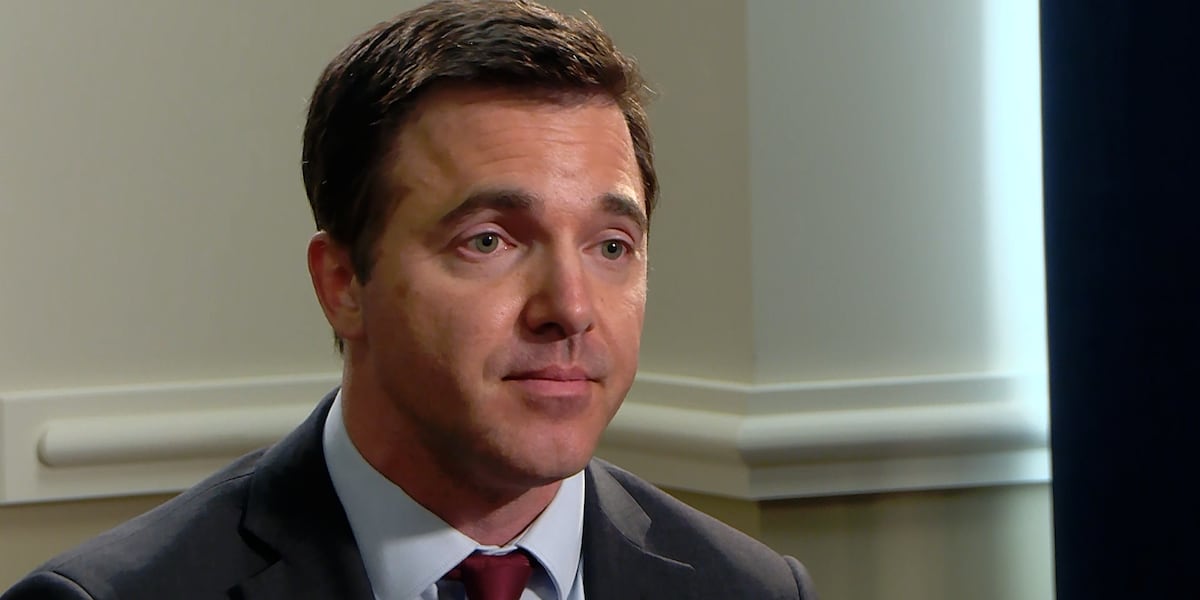
- Attorney General Jeff Jackson is urging the federal government to block a proposed merger between Union Pacific Railroad Company.1
- Attorney General Jackson and a coalition of 20 other attorneys general filed a comment letter opposing the merger with the Surface Transportation Board (STB), which regulates the freight rail industry.1
- The attorneys general are urging the STB to apply that standard to this proposal and reject the companies' application.1
Attorney General Jeff Jackson is urging the federal government to block a proposed merger between Union Pacific Railroad Company and Norfolk Southern Railway Company, arguing that it would reduce competition and could lead to higher grocery costs and hurt North Carolina farmers.1
The attorneys general are urging the Surface Transportation Board to apply its higher competition standard to the proposal and reject the companies' application to combine.1
What the merger would mean for North Carolina
North Carolina has more than 3,000 miles of freight rail, and the state’s railroads carry large amounts of corn and soybean meal for poultry feed, crushed stone, scrap steel, fertilizer, and many other goods, according to The Association of American Railroads.1
Norfolk Southern operates more than 1,000 of those miles, making it the largest freight rail network in the state.1
The letter pointed to comments made by Union Pacific CEO Jim Vena at the annual Southwest Association of Rail Shippers meeting, in which Vena threatened to retaliate against customers who oppose the deal by increasing their rates to “teach you a lesson.”1
Why the attorneys general oppose the merger
The STB requires that major mergers demonstrate that the benefits outweigh the harms to competition.1
The merger would reduce competition in the industry and increase the companies' power to set prices, according to the letter.1
The merger would also create safety and service risks, labor concerns, and encourage additional consolidation within the industry, according to the letter.1
The merger would leave shippers of agricultural goods with less bargaining power because farmers would be more dependent on fewer railroads at a time when they already have little power to walk away from high costs or poor service.1
“We know what happens when companies engage in anticompetitive behavior: Costs go up and families pay more,” Jackson said. “Many North Carolinians are already struggling to afford groceries, and letting these companies merge would make it worse. That’s why we’re asking the federal government to make sure that can’t happen.”